What soft washing is designed to do
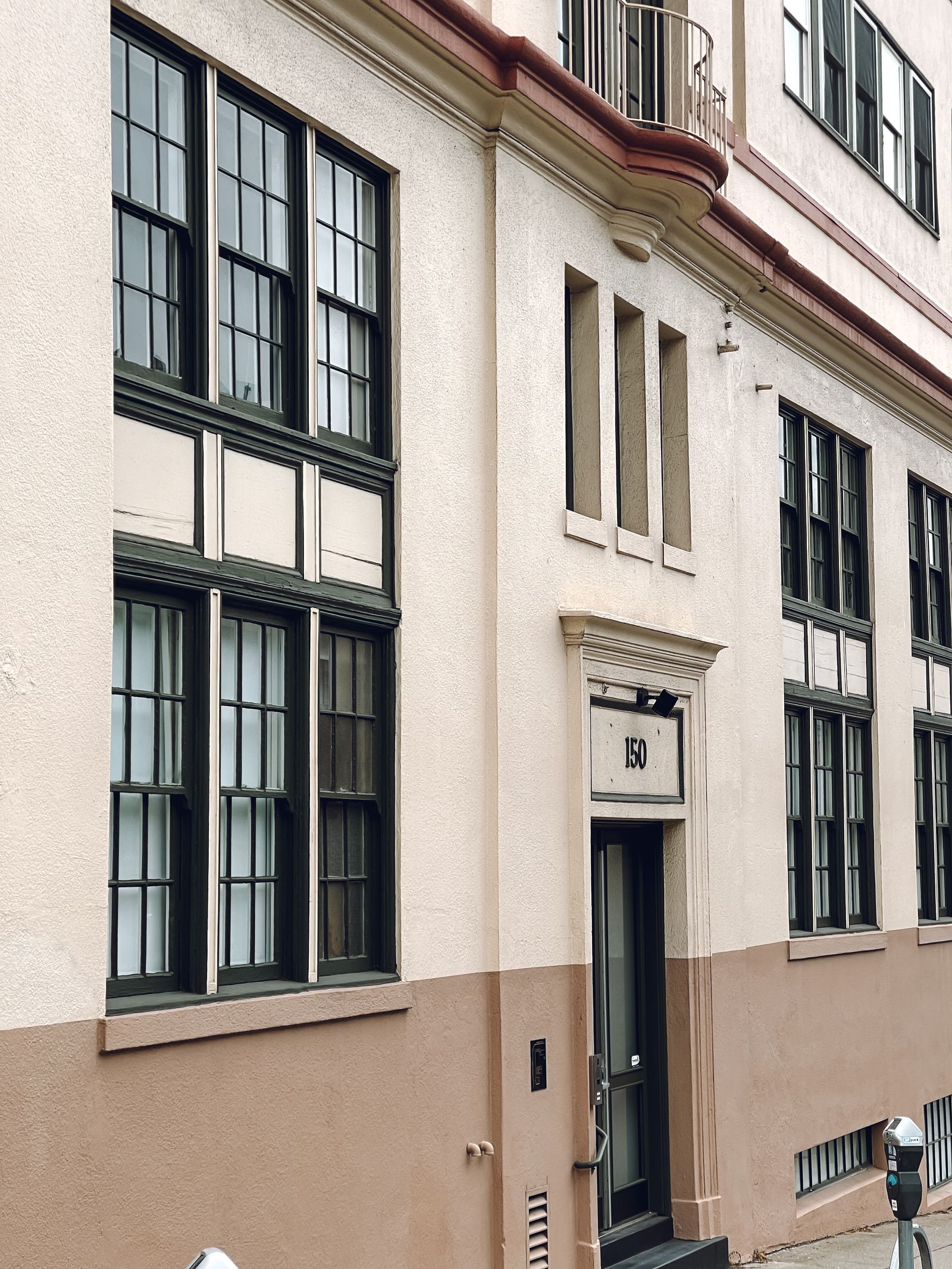
Soft washing generally combines a compatible cleaning solution, controlled dwell time, and a lower-pressure rinse on suitable organic and atmospheric soils. It may fit algae-like staining, pollen, mildew-like growth, bird residue, and some traffic film on compatible brick, concrete, painted surfaces, stucco, EIFS, insulated panels, and other tested materials. The value is controlled treatment rather than relying on mechanical force to do all of the work. Chemistry still needs careful handling around plants, metals, glazing, sealants, coatings, air intakes, people, and runoff.
Soft washing is not a universal answer for Cheyenne dust, road salt, mineral scale, oxidation, grease, construction residue, graffiti, deteriorated mortar, or failed sealants. A dark line under a parapet may return if a downspout or flashing detail keeps wetting the wall. A white mark near a downtown entry may need mineral treatment. A faded painted panel may look more uneven after soil is removed. A responsible quote identifies the likely residue, uses a test area when appropriate, states expected improvement, and keeps restoration, repair, specialty glass work, and envelope investigation separate.
Where controlled pressure can make sense
Mechanical rinsing can have a place on a sound concrete service lane, loading apron, garage approach, or other durable surface when distance, angle, flow, pressure, and direction are actively controlled. It may help release surface soil from a hardscape zone that does not have the same sensitivity as a facade. The same approach can be wrong for stucco, EIFS, aging mortar, painted metal, insulated panels, window seals, signs, roof edges, or a coating with weak adhesion. A number on a pressure gauge does not tell the facilities team whether a substrate can tolerate the method.
Cheyenne properties often combine several decisions in one work order. A downtown building may have masonry, storefront glass, painted trim, a canopy, and a narrow sidewalk. A Dell Range retail center may combine hardscape, sign bands, awnings, landscaped islands, and many entries. A warehouse may have concrete docks, metal panels, equipment, and a broad yard. Divide the scope by material and use zone, then identify method, protection, access, water controls, and closeout standard for each. That makes a hybrid recommendation easier to understand and compare.
- Use mechanical force only after reviewing the substrate, coating, joint condition, and surrounding features.
- Keep windows, seals, air intakes, electrical components, landscaping, vehicles, and occupied paths protected.
- Treat concrete hardscape, facade materials, entries, and specialty finishes as separate method decisions.
- Require a test area when prior coatings, age, repairs, or residue response are uncertain.
Cheyenne weather changes the comparison
Wind is a major method variable on the High Plains. It can move spray, affect dwell and rinse direction, disturb barriers, carry dust back onto a wet wall, and make aerial work unsuitable. Strong sun and dry air can increase evaporation on a south or west elevation, while shade can keep a north wall damp. Snow and deicing residue concentrate around entries, ramps, garage walls, curb lines, and loading areas. Freeze-thaw movement can expose open joints, loose coatings, damaged sealants, and spalled concrete that should be addressed before a large water application.
The right comparison includes the forecast, surface temperature, wind, precipitation, snow and ice, drying time, worker exposure, and the property's handback requirement. A wet sidewalk or loading lane may be manageable in mild weather and unsafe when temperatures are falling. A sudden storm can dilute chemistry, change a discharge path, or interrupt a public route. Ask the contractor to state pause triggers and rescheduling assumptions before equipment is staged.
Water management is another part of the method choice. Cheyenne's stormwater network carries runoff through curb and gutter, catch basins, pipes, channels, detention areas, and drainage routes that are separate from sanitary sewer service. Soft washing can introduce product and loosened soil; pressure washing can move a larger sediment load quickly. Neither method should treat a storm inlet as an automatic discharge point. The plan should identify diversion, collection, recovery, filtration, reduced rinse, plant protection, disposal, or authority coordination as the site requires.
Compare access methods, including aerial assistance
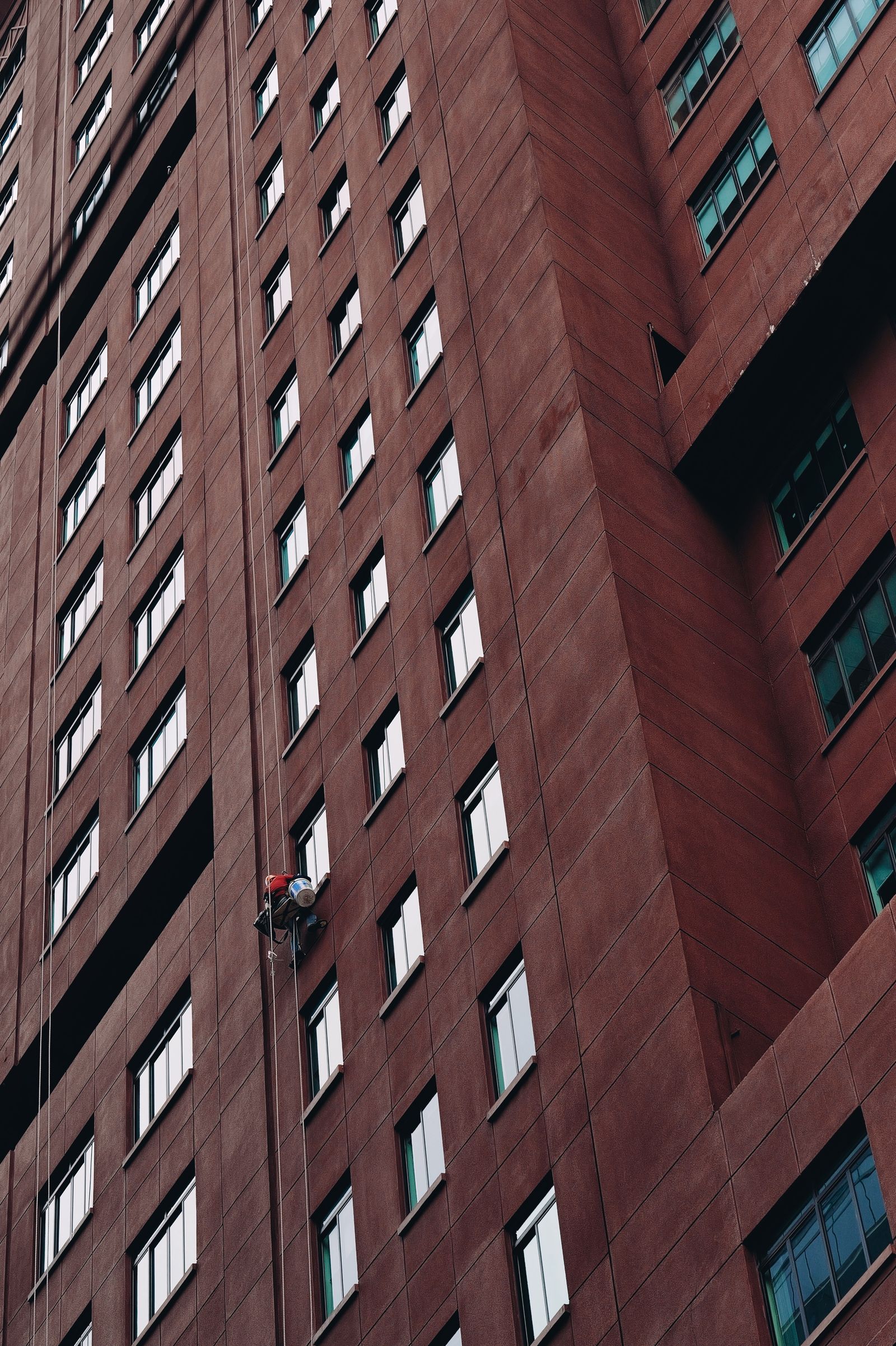
A lift supports close inspection and contact detail but needs a stable setup area, travel path, staging time, and protection for sidewalks, landscaping, vehicles, and parking. A water-fed pole can be efficient for reachable windows but may not address recesses, textured walls, or bonded deposits. Roof access, rope access, hand work, and hybrid sequences each have different planning requirements. A drone may reduce repositioning across a broad, compatible upper wall only when wind, airspace, launch space, visual supervision, hose routing, and the ground zone all line up.
Cheyenne sites can be close to airport operations, utilities, roof equipment, signs, trees, balconies, active truck lanes, and neighboring properties. Commercial drone operators must follow applicable Federal Aviation Administration requirements, and property permission does not replace required authorization. An aircraft also cannot perform every contact task. Entrance glass, frames, mineral deposits, scraping, brushing, polishing, sealant inspection, and detailed architectural features may still need a person, pole, lift, roof-access, or hybrid method. Request a defined aerial zone and fallback plan instead of treating drone access as the entire cleaning answer.
Let the building's operating day set the finish
An office or medical building near Lincolnway may prioritize patient, guest, employee, and accessible routes. A downtown hotel or restaurant may care about entry presentation, patios, deliveries, event timing, and sidewalk continuity. A Dell Range retail center may need open tenant entrances, parking circulation, signs, and customer-safe wet work. A warehouse, contractor yard, or airport-adjacent facility may prioritize truck movement, docks, gates, security, equipment, and shift changes. The best method reaches the priority elevations while preserving the way the property works during and after the job.
A useful quote should show the method by elevation or zone, not simply say soft wash or pressure wash. It should list materials, visible residue, access, protection, operating window, weather limits, water route, test-area assumptions, exclusions, expected appearance, fallback access, and closeout photographs. If the choice is unclear, ask for a side-by-side comparison of a soft-wash process, controlled pressure on durable areas, contact detail, and any hybrid sequence. That turns a vague preference into a decision record a facilities team can use.
Turn the comparison into a Cheyenne quote
Send the address, wide and close photographs, approximate height, materials, priority elevations, visible stains, desired finish, preferred dates, water source, drains, slopes, parking or loading limits, security requirements, winter concerns, and tenant or event restrictions. Include any known cracks, open joints, active leaks, coating failure, prior cleaning damage, or recurring water paths. Those details help determine whether a remote review, site visit, test area, lift, pole, aerial method, or hybrid plan should come next.
Drone Building Cleaners can help Cheyenne property teams evaluate offices, medical buildings, hotels, retail centers, warehouses, garages, industrial facilities, campuses, and mixed-use properties. Call +1 239-351-2897, email contact@dronebuildingcleaners.com, or use the quote form to describe the building. We will explain what the selected method is expected to improve, where it may not be appropriate, how people and drainage will be protected, and which repairs or specialty services should happen before cleaning.